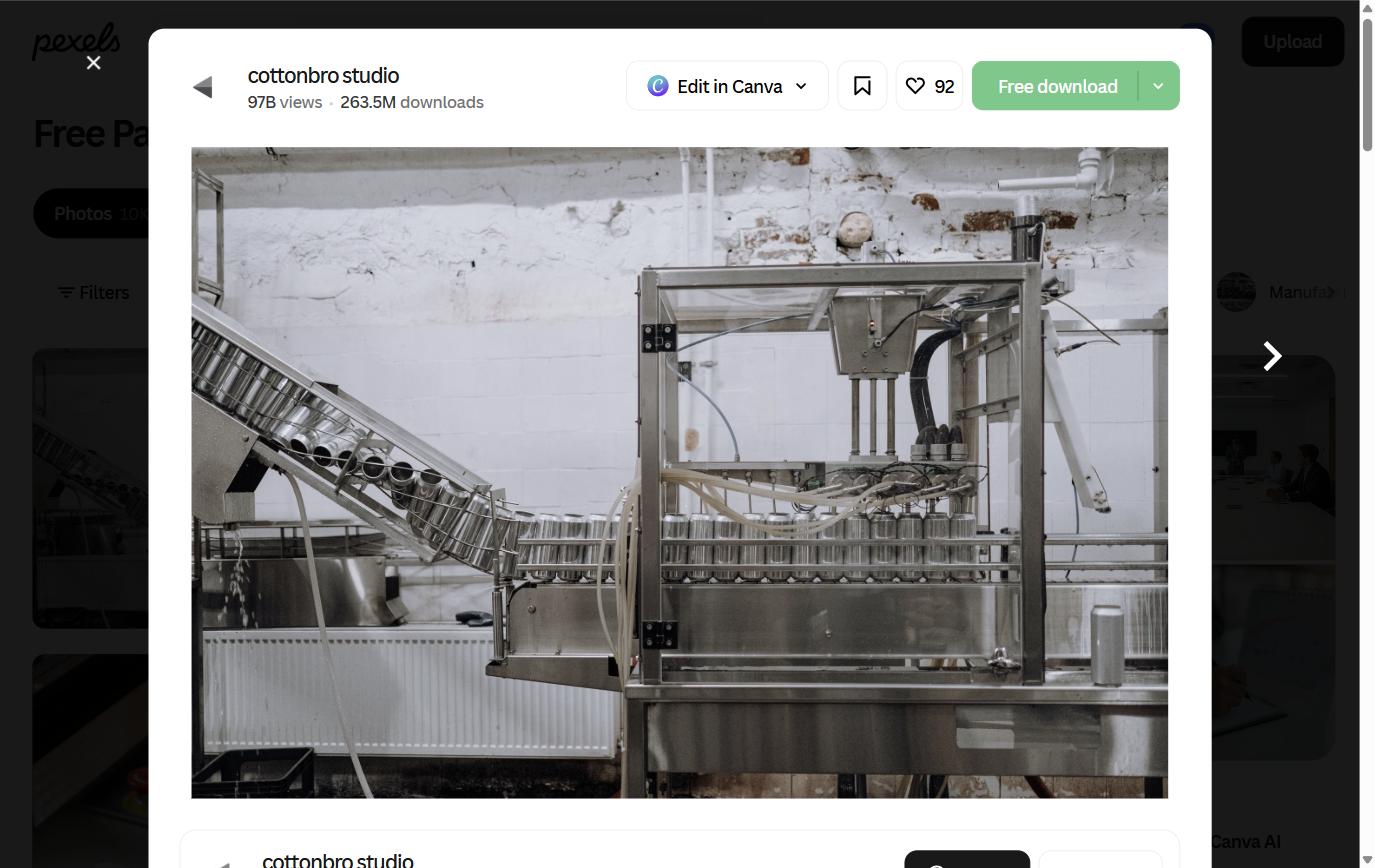
A commercial oven manufacturer based in the West Midlands spent most of its history selling almost exclusively to bakeries and hotel kitchens across the United Kingdom before a trade fair in Warsaw changed the direction of the whole company. A Polish distributor walked past the stand and asked pointed questions about voltage standards and safety certification that nobody on the sales team had prepared for since every previous conversation that week had happened in English with domestic buyers.
The trade fair conversation led to a formal distribution agreement within four months and the manufacturer suddenly needed technical manuals and safety documentation translated into a language nobody in the company spoke beyond a handful of words picked up from a Polish colleague in the warehouse. The operations director assumed a bilingual employee could handle the paperwork over a few evenings and quickly discovered how wrong that assumption was once the first draft came back full of ambiguous phrasing that could have meant several different things to an electrician on the other end.
A safety inspector reviewing the installation guide for a large deck oven flagged three sentences where the translated instructions could plausibly be read as contradicting the wiring diagram right beside them. That single review changed how seriously the company treated the entire translation question since a misread instruction on industrial equipment carries consequences far beyond an awkward sentence in a marketing brochure.
Finding a provider who understood both the language and the mechanical terminology took longer than expected because several agencies that quoted competitive rates turned out to have no engineering background at all once the manufacturer asked follow up questions about specific components. The operations director eventually settled on a firm that assigned a translator with an actual manufacturing background to review the safety sections line by line against the original technical drawings.
The Polish distributor mentioned during a later visit that competing British brands trying to enter the same market had shipped equipment with manuals that read as though they had been translated by someone who had never operated an oven in their life. That comment stuck with the operations director more than any sales figure could have since it suggested the difference between winning and losing a distributor relationship often came down to details buried deep inside a manual nobody expected anyone to scrutinize closely.
Why Manuals Need More Than A Fluent Speaker
Manufacturers expanding into new markets often assume that basic fluency in the target language is enough to handle technical documentation and only discover the gap once a safety inspector or a frustrated technician points it out directly. A company searching for genuine polish translation services usually finds during early conversations with providers how differently agencies handle diagrams and measurement units and industry specific terminology that a general translator would never encounter.
The oven manufacturer eventually ran a test where three candidate agencies translated the same wiring section and only one correctly flagged an ambiguity in the original English text that could have caused a genuine safety issue once printed and shipped abroad. That single test justified paying a higher rate than the cheapest quote on the table since a wiring mistake traced back to a translation error would have cost far more in liability than any invoice ever could.
Certification Paperwork Becomes A Second Full Time Job
Exporting industrial equipment into the European Union introduced a layer of certification paperwork that the manufacturer had never dealt with while selling only within the United Kingdom since every safety declaration and compliance document needed translation that would hold up under scrutiny from a foreign regulator. Investing in professional translation services for this paperwork meant the company could clear customs inspections without the delays that had reportedly tripped up a competitor shipping similar equipment the previous year.
A logistics manager who coordinated the first shipment said the certification documents came back from customs faster than anyone on the team had expected mostly because nothing in the translated paperwork raised a question that needed further clarification. That smooth first shipment became the template the company now follows for every subsequent order heading into Poland and the two neighboring markets it has since entered.
The company also learned to keep every certified document in a shared archive so nothing needs retranslating when a similar regulatory requirement comes up with a different customer or a renewed certification cycle. That habit alone has already saved real time twice when a compliance body requested updated paperwork referencing equipment specifications that had barely changed since the original certification.
What Trade Data Shows About Manufacturing Exports
Bodies such as the ONS track UK manufacturing export volumes into Central European markets over time and the general trend has held up even as overall trade shifts year to year across different sectors. That steady demand means more manufacturers are likely to encounter the same documentation and certification hurdles as they look to Poland and similar markets for the first time.
Broader trade commentary from organizations such as the WTO often points to clear technical documentation as one of the more overlooked factors separating manufacturers who scale smoothly into new regions from those who stall halfway through their first year of exporting. Treating translation as part of core engineering documentation rather than a late administrative step tends to correlate with fewer regulatory delays during market entry.
A Lesson For Manufacturers Considering The Same Move
Manufacturers watching this kind of expansion from a distance often assume that translation belongs near the bottom of the budget behind tooling and shipping and marketing spend. This company's experience suggests otherwise since a single ambiguous sentence in a safety manual or a rejected certification document can delay an entire market entry by months rather than days.
Building a working relationship with a translation provider early tends to pay off later when a customer requests an updated manual on short notice ahead of a trade show or a regulatory deadline. Providers who already understand a company's product line and its terminology work noticeably faster than ones encountering unfamiliar technical drawings for the first time under deadline pressure.
The West Midlands manufacturer now treats its Polish distribution deal as proof that careful attention to technical language can determine whether an export relationship survives its first year or collapses under the weight of a single misunderstood instruction. Other manufacturers eyeing a similar expansion would do well to budget properly for translation from the very first trade fair conversation rather than treating it as a detail to sort out once the bigger contract is already signed.